
Randomness vs. patterns
What randomness really means
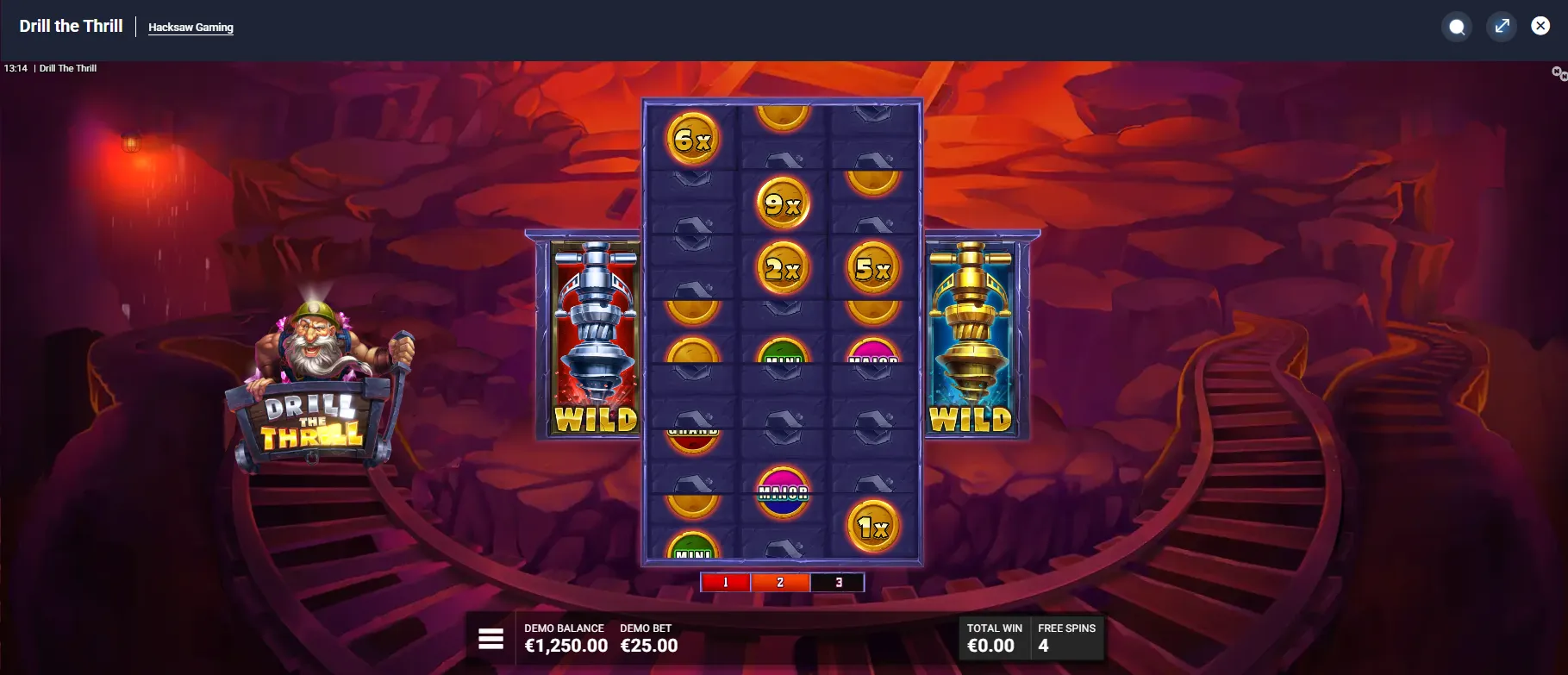
Many games use random number generators or shuffled decks, so single results do not “remember” what came before. Randomness creates clumps: several reds in a row at roulette or a long stretch without a slot bonus. That looks like a pattern, but it’s typical noise, not a hint. Why it matters: mistaking noise for signal leads to chasing or changing bets for the wrong reasons.
Example (illustrative): if a fair coin lands heads five times, the chance of tails on the next flip remains the same as always. The sequence feels lopsided, yet each new flip is independent.
“Due” wins and streak thinking
How the gambler’s fallacy traps people
The belief that a win is “due” because losses piled up is a classic error. Independent events do not balance themselves on a schedule. A slot machine that has not paid a bonus today is not “building pressure.” Why it matters: expecting payback soon can nudge you into longer sessions and bigger bets than you planned.
Example (illustrative): after ten losing spins, the next spin’s odds are unchanged. A later big hit, if it happens, is coincidence, not a debt being settled by the machine.
Betting systems and bankroll myths
Systems that raise stakes after a loss or cut them after a win sound tidy. They rearrange when money is risked; they do not change the built‑in odds. Table limits, variance, and a limited wallet mean a losing run can grow faster than expected. Why it matters: methods can help you pace play, but they cannot remove the game’s edge.
Example (illustrative): in a doubling system, five losses in a row require a stake 32 times the first bet to chase a small net gain. A short cold spell can exhaust a session budget before the “recovery” bet arrives.
Skill, rules, and house edge
Why the house edge matters
Games publish rules that shape expected results, like payouts that are slightly less than the true odds. In some games with decisions, knowing basic rules—such as when to draw or stand—can reduce mistakes, yet the default edge usually remains. Why it matters: understanding the edge helps you set expectations and pace your play without magical thinking.
Example (illustrative): choosing a wager that pays 1:1 on near‑even chances will, over time, drift slightly downward because the payout is a touch below the fair return.
Practical checklist and next steps
Use this quick checklist to separate claims from facts before you act. The goal is calm decisions, not hunting for a secret formula.
- Is the claim about “patterns” in independent events? Treat with caution.
- Does the method change game rules or payouts? If not, odds are unchanged.
- Is a “due” win assumed after losses? That’s the gambler’s fallacy.
- Does the idea require raising stakes to “catch up”? Note the risk of long runs.
- Can you test the claim with small, time‑boxed trials? Prefer evidence to hunches.
- Write the claim in plain words.
- Identify the event: independent or not?
- Note the rule or payout it relies on.
- Try a short, hypothetical calculation.
- Decide if it changes odds or only bet timing.
| Claim | Fact | Everyday example |
|---|---|---|
| “After a long losing run, a win is due.” | Independent spins do not owe a result. | (Illustrative) Ten reds do not force black next. |
| “This system beats the table.” | Bet sizing cannot change payouts. | (Illustrative) Doubling chases losses but meets limits. |
| “A cold machine must warm up.” | Random outcomes clump naturally. | (Illustrative) Two bonuses can also arrive back‑to‑back. |
| “Skill removes the house edge everywhere.” | Some decisions help, the edge often remains. | (Illustrative) Better choices reduce errors, not rules. |
| “Small tweaks add up to guaranteed profit.” | No routine overrides the math. | (Illustrative) Longer play meets variance, not certainty. |
If you are simply comparing sites or browsing, here is a neutral link to visit: Open the website. Its contents were not used for this article.
Conclusion: Treat striking runs as noise, not messages; separate pacing tools from odds; and write claims down before you follow them. A calm checklist is more useful than a thrilling hunch, especially when each event stands on its own.